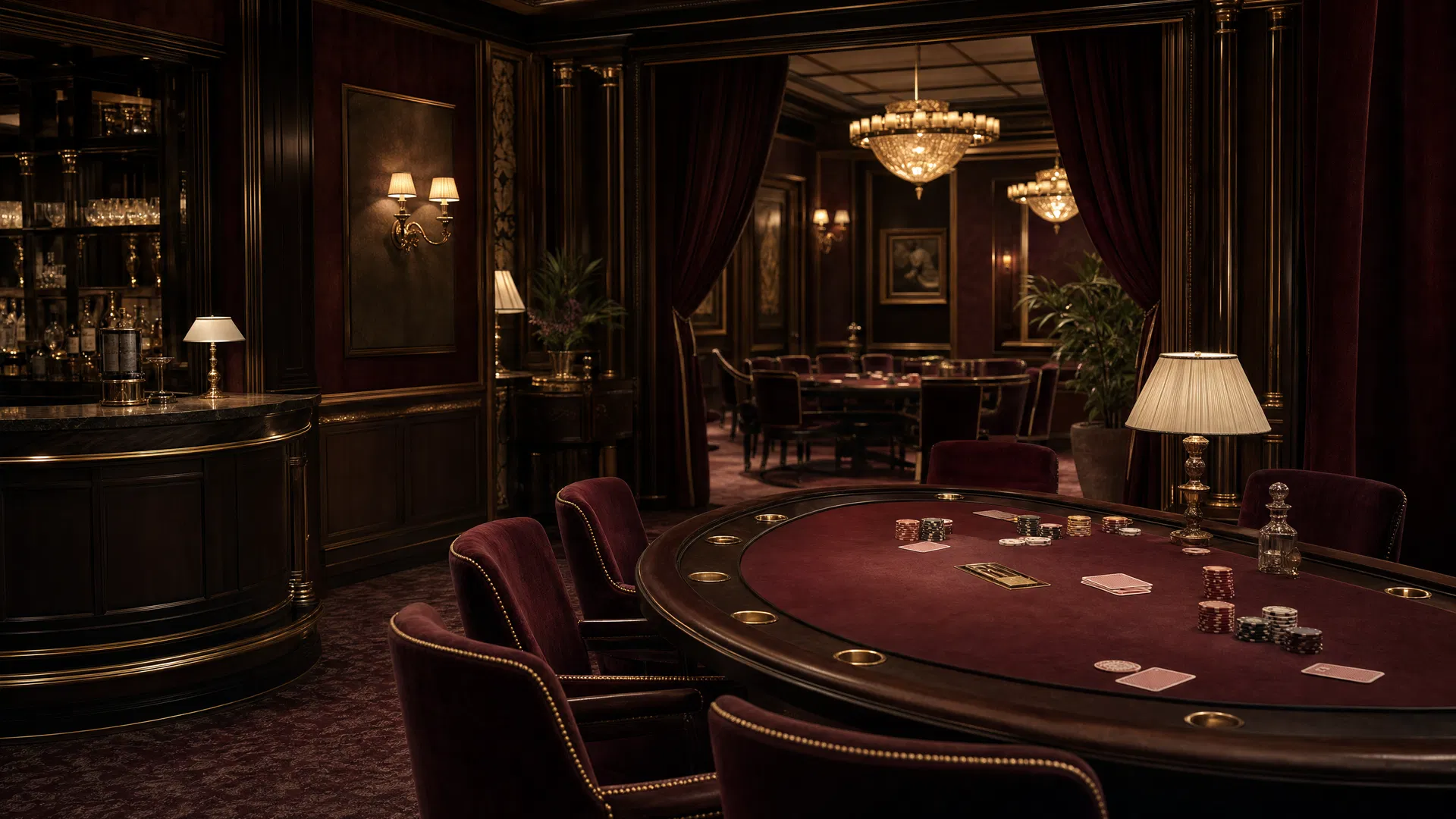
A Brief History of Casino-Style Game Motifs
Cards, dice, wheels, and felt tables have long cultural histories that can be discussed without promoting gambling.
Casino-style imagery did not begin with mobile screens. Cards, dice, and wheel games developed across many cultures as social objects, mathematical curiosities, and leisure activities. A modern informational site can explain these motifs without presenting them as financial opportunities.
Playing cards are especially useful for education because they combine symbols, ranks, suits, memory, and probability. Dice make randomness visible through small physical outcomes. Wheels turn probability into a circular interface that is easy to understand at a glance.
Social casino games translate these familiar motifs into short digital experiences. The strongest compliant designs avoid copying real venues or branded game names. They use generic imagery and explain that the activity is a free-to-play demonstration using virtual coins.
History also helps reduce myths. When a visitor understands that randomizers and visual traditions are design elements, it becomes easier to avoid superstition about streaks, lucky objects, or guaranteed methods.
The respectful way to present casino-style history is educational and measured. It can be visually rich while remaining clear that the page is independent, adult-focused, and entertainment-only.
For entertainment purposes only. No real money or prizes. Virtual coins have no cash value.
Responsible gaming